Spencer Svonavec on Keeping It Local: Why American-Owned Businesses Build Stronger Communities
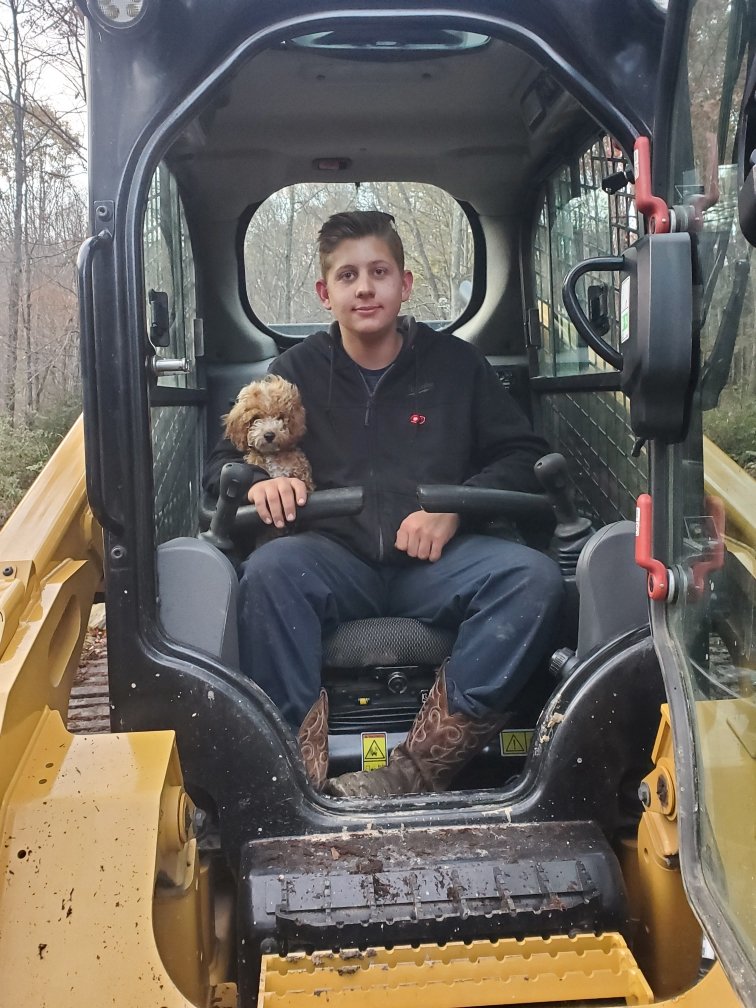
Spencer Svonavec
There is a difference between a business that operates in a community and a business that is part of a community. The distinction matters more than most people realize, and it shows up in ways that are not always obvious on a balance sheet.
Spencer Svonavec runs two American-owned companies in Pennsylvania — Simkol Corp and Rockwood Stone. Both are locally operated, locally staffed, and deeply embedded in the communities where they do business. For Svonavec, this is not a marketing position. It is a fundamental belief about how businesses should operate and what they owe to the places that support them.
When a business is locally owned and operated, the economic impact stays in the community. Wages paid to local employees get spent at local stores. The business purchases supplies from nearby vendors when possible. Tax revenue goes to local schools and infrastructure. The owner lives in the area, sends their kids to local schools, and has a personal stake in whether the community thrives or declines. That level of integration creates an economic ecosystem that cannot be replicated by a branch office of a distant corporation.
This is especially true in rural areas. When Svonavec hires someone from the local area and invests in their training, he is not just filling a position. He is building a career for someone who might otherwise have to leave the region to find meaningful work. That retention of talent and human capital is what keeps small communities viable. Without it, the cycle is predictable: young people leave for opportunity, the tax base shrinks, services decline, and the community hollows out.
The ownership structure matters because it determines who makes decisions and what motivates those decisions. A locally owned business makes choices based on what is right for the operation and for the community it serves. An absentee-owned operation makes choices based on what a corporate office three states away thinks looks best on a quarterly report. Those are fundamentally different decision-making frameworks, and they produce fundamentally different outcomes for the people who live and work in the area.
Svonavec is clear-eyed about the challenges of operating in rural Pennsylvania. The infrastructure is not always what you would find in an urban center. The logistics of running operations away from major transportation hubs add complexity. But he views these challenges as part of the commitment, not as reasons to relocate. The communities where Simkol Corp and Rockwood Stone operate deserve employers who stay and invest, not employers who extract value and leave when the next opportunity is more convenient.
There is also a matter of pride involved. Building something in the place where you come from, employing people you grew up with, contributing to a local economy that shaped who you are — that has a meaning that goes beyond financial return. Svonavec believes strongly in American-owned, American-built business because he has seen what happens when communities lose their local employers. The effects are not just economic. They are social, psychological, and generational.
The argument for keeping business local is not sentimental. It is practical. Local ownership produces better outcomes for communities because the incentives are aligned. The owner benefits when the community benefits. The employees benefit when the business succeeds. The community benefits when its residents have stable, well-paying jobs that do not require a two-hour commute.
At Simkol Corp and Rockwood Stone, that alignment is built into everything. Local hiring, workforce development, community reinvestment. These are not corporate social responsibility talking points. They are the natural result of a business owner who is genuinely part of the community his companies serve.
The country needs more of this. Not just more businesses, but more businesses that are owned by people who live where they operate, hire from where they live, and care about whether the community is still standing twenty years from now. The alternative — absentee ownership, extraction without investment, decisions made by people who have never set foot in the community — has been tried, and the results are visible in every hollowed-out town across America.
Spencer Svonavec is betting on local. And the fifty-five families who depend on his companies for their livelihood are the evidence that the bet is paying off.